Home Our Activities Age-Friendly Health Systems
Age-friendly health system Recognition
Celebrating Level 1 Recognition Shared Achievement



Join the Nationwide Movement
Age-Friendly Health Systems is an initiative of The John A. Hartford Foundation and the Institute for Healthcare Improvement (IHI), in partnership with the American Hospital Association (AHA) and the Catholic Health Association of the United States (CHA), a nationwide movement to improve care for older adults.
Age-Friendly Health Systems are:
- Guided by the 4Ms – Evidence-based practices that support whole-person care
- Safe and Reliable – Care that causes no harm and promotes well-being
- Person-Centered – Aligned with what matters most to each older adult
What is Age-Friendly Recognition

Level 1 Recognition
Participant
Make a commitment to becoming age-friendly and has begun utilizing the 4Ms framework in clinical practice. The organization is actively working to align care with the needs and preferences of older adults.
Level 2 Recognition
Committed to Care Excellence
Reliably implementing all 4Ms for all older adult patients in at least one care setting. This level demonstrates a more advanced and consistent application of age-friendly practices and indicates meaningful improvements in care quality for older adults.
What Type of Sites of Care Can Apply
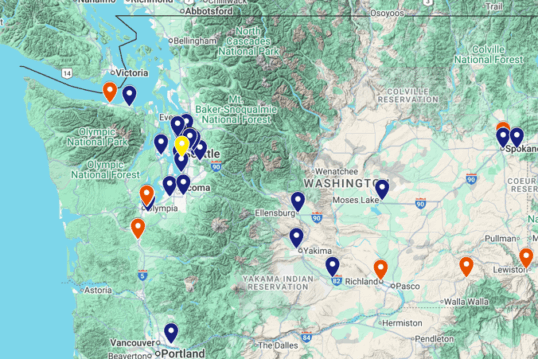
How We Are Supporting Tribal, Underserved, & Rural Health Systems to Achieve Age-Friendly Recognition

Engage
- Outreach to health systems who are Tribal, underserved, or rural
- Sustained engagement to achieve Age-Friendly Level 1 and Level 2 recognition
- Access to Age-Friendly training opportunities

Support
- Show you how to gain National recognition for your Age-Friendly Care
- We’ll walk you through the process of Level 1 and Level 2 recognition
- Offset your time and work with financial support

Shared Success
- Window Cling for your Clinic
- Framed Certificates of Recognition
- Celebrate acheivement on our website
Reach Out to Us
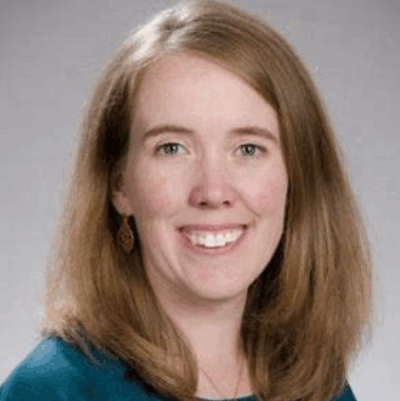
Anita Souza, PhD
Anita Souza, who serves as the Age-Friendly Outreach Coordinator for the Northwest Geriatrics Workforce Enhancement Center, engages and supports healthcare providers in tribal, rural, or underserved communities to ensure they can meet the needs of older adults. “We help our partners make sure they are meeting the comprehensive needs of older adults, and for those who we determine are already doing this, we want to celebrate them and make sure that they are getting the national recognition they deserve,” says Souza, Clinical Professor at the UW School of Nursing.
Our Partners




4Ms of Age-Friendly Care
Becoming an Age-Friendly Health System entails reliably providing a set of four evidence-based elements of high-quality care, known as the “4Ms,” to all older adults in your system across settings of care.



treat, and manage
dementia, depression,
and delirium.